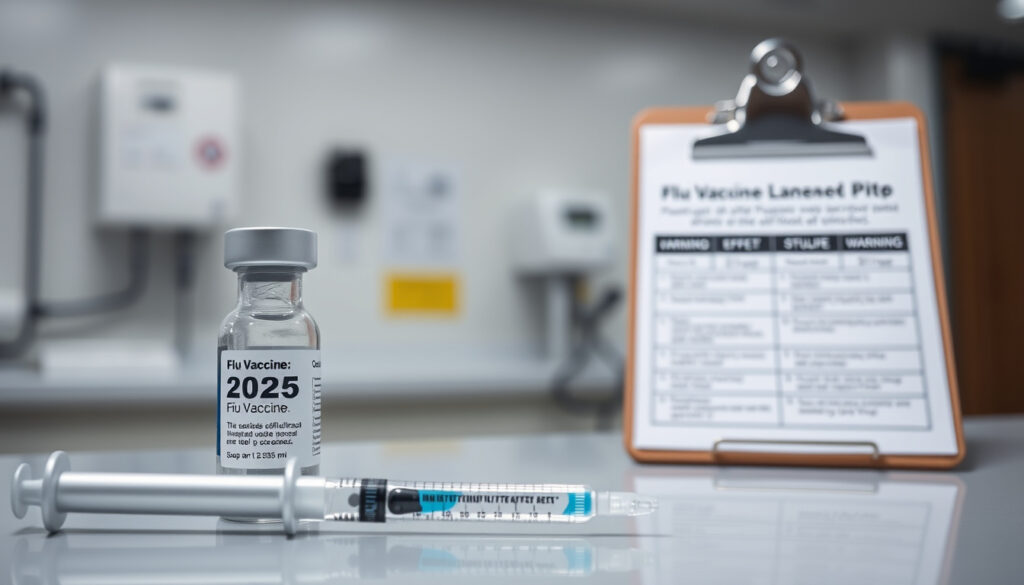
Flu Vaccine 2025: Availability, Effectiveness and Side Effects
Every year, as autumn settles in, the question of getting the flu jab comes around again — and in 2025, Ireland’s vaccination drive is more targeted than ever, with free vaccines for over 60s, children aged 2 to 17, and people with certain medical conditions. Here’s a clear, evidence-based look at what’s different this season.
Vaccination start date (Ireland): October 2025 ·
Free eligibility groups: Adults 60+, children 2–17, people with medical conditions ·
Effectiveness range (CDC): 40–60% (interim estimate) ·
Peak flu season: December 2025 – February 2026 ·
Common side effects: Sore arm, mild fever, fatigue
Quick snapshot
- October 2025: Vaccinations begin (HSE)
- Early season: ECDC reports activity started 3–4 weeks earlier than previous two seasons (ECDC)
- December–February: Peak flu season (HSE)
- Book your appointment at a pharmacy or GP from October (HSE)
- Monitor HSE and HPSC for updated effectiveness data (HPSC)
- Consider late vaccination if you missed the start (HSE)
Four key details, one pattern: the 2025 flu season in Ireland is built around early access, targeted free eligibility, and a cautious optimism about vaccine effectiveness.
| Label | Value |
|---|---|
| Vaccination start date | October 2025 (Ireland) |
| Free for eligible groups | Adults 60+, children 2-17, people with chronic conditions |
| Effectiveness range | 40-60% (CDC estimates pending) |
| Common side effects | Sore arm, mild fever, fatigue |
The trade-off: early vaccination means protection during peak season, but the actual strains circulating may shift.
Which flu vaccine is available in 2025?
Ireland’s 2025 vaccine lineup includes both trivalent and quadrivalent options, but the choice depends largely on your age and health. The HSE approves vaccines each season based on the strains predicted by the World Health Organization.
Trivalent vs quadrivalent vaccines
- Trivalent: Protects against three strains — two influenza A (H1N1 and H3N2) and one influenza B. Often used for standard adults.
- Quadrivalent: Adds a second influenza B strain, offering broader coverage. This is typically given to children and is the more common option in Ireland for 2025.
The implication: for most people under 65, a quadrivalent vaccine is standard. Seniors may receive an adjuvanted or high-dose version for a stronger immune response.
Available vaccines in Ireland
The HPSC lists approved vaccines for the 2025–26 season. Key options include:
- Inactivated quadrivalent vaccine (standard for adults)
- Live attenuated nasal spray (for children aged 2–17, free under HSE programme)
- Adjuvanted trivalent vaccine (for adults 65+, designed to boost immune response)
Vaccine composition 2025
The 2025–26 vaccine components are based on WHO recommendations for the Northern Hemisphere. Exact strains are confirmed in early 2025, but previous seasons included:
- Influenza A/Victoria/2570/2019 (H1N1)pdm09-like virus
- Influenza A/Darwin/9/2021 (H3N2)-like virus
- Influenza B/Austria/1359417/2021-like virus (Victoria lineage) — for quadrivalent
- Influenza B/Phuket/3073/2013-like virus (Yamagata lineage) — for quadrivalent
Why this matters: if the circulating strains match the vaccine, effectiveness can reach the upper end of the 40–60% range. Mismatches, especially with H3N2, can reduce protection.
Seniors: the adjuvanted vaccine is specifically designed for your immune system’s weaker response. Don’t accept a standard dose if the high-dose is available.
The HSE recommends choosing the appropriate vaccine based on age and health — seniors should seek the adjuvanted version if available.
How effective is the 2025 flu vaccine?
Effectiveness varies by season and strain. For the 2025–26 season, the ECDC released early estimates from the VEBIS study.
CDC interim effectiveness estimates
The CDC typically reports interim effectiveness around mid-season. For 2025, preliminary data from Europe suggests:
- Overall effectiveness of 44% against any influenza (ECDC)
- 52% against influenza A(H3N2)
- 16% against influenza A(H1N1)pdm09
Factors affecting effectiveness
- Age: Older adults may respond less robustly, which is why adjuvanted vaccines exist.
- Strain match: If the vaccine contains exact or similar strains, protection is stronger.
- Timing: Protection peaks 2 weeks after vaccination and wanes over the season.
Effectiveness for seniors
The ECDC reported age-specific A(H3N2) vaccine effectiveness of 52% among ages 0–17 and 57% among ages 18–64 in preliminary data. For seniors 65+, data is still being collected, but adjuvanted vaccines are designed to close the gap.
Effectiveness summary: 44% overall · 52% vs A(H3N2) · 16% vs A(H1N1)pdm09
The pattern: even moderate effectiveness prevents significant illness. A vaccine that reduces risk by 40% can still prevent thousands of hospitalisations.
For an 80-year-old with heart disease, that 40% reduction means the difference between a mild fever and a hospital bed. Get the shot.
Even moderate effectiveness prevents thousands of hospitalisations, especially for high-risk groups.
When is the flu jab available in Ireland?
Ireland’s programme starts in October 2025, according to the HSE. The best time is before flu activity rises, typically late autumn.
Ireland’s flu vaccination program start date
Free vaccines for eligible groups begin in October. The HPSC tracks uptake and will publish weekly data through the season.
Where to get vaccinated
- GP practices – free for eligible patients, small charge for others
- Participating pharmacies – Boots, McCabes, and many local pharmacies offer walk-in or appointment slots
- HSE walk-in clinics – announced locally during peak periods
Eligibility criteria
The HSE clearly defines free eligibility:
- Adults aged 60 and older
- Children aged 2 to 17
- Pregnant women
- Healthcare workers
- People living in long-term care facilities
- People with chronic conditions (heart disease, diabetes, kidney failure, etc.)
- People in regular contact with pigs, poultry, or waterfowl
- Carers of someone at higher risk of flu
If you don’t qualify for a free shot, you can still get one at a pharmacy or GP for a fee (typically €20–€40).
What this means: about 1.5 million people in Ireland are eligible for free vaccination in 2025, but uptake remains below 60% in some groups.
What to expect after a flu jab in 2025?
Side effects are generally mild and short-lived. The HSE lists the most common ones.
Common side effects
- Soreness, redness, or swelling at the injection site
- Mild fever and shivering
- Headache
- Fatigue
- Muscle aches
These usually start a few hours after the shot and resolve within 1–2 days.
Aftercare
Rest, drink fluids, and take paracetamol if needed. Avoid heavy exercise or alcohol for 24 hours. The vaccine takes about two weeks to provide full protection.
When to see a doctor
- If you develop a high fever (over 38.5°C) that lasts more than 48 hours
- If you experience signs of a severe allergic reaction (difficulty breathing, swelling of face or throat)
- If you develop new or unusual symptoms like chest pain or confusion
The HSE stresses that serious side effects are extremely rare.
The trade-off: a sore arm for a day vs. a week in bed with flu. The math is simple.
If you’re over 65 and receive the adjuvanted vaccine, mild systemic reactions like low fever are slightly more common but still harmless.
Most people tolerate the vaccine well, and the benefits far outweigh the temporary discomfort.
Is it still worth getting a flu shot now?
Even if you missed the October start, getting vaccinated later in the season still offers protection. Influenza activity in Ireland typically peaks between December and February, but can extend into March.
Current flu activity in 2025
The ECDC noted that flu activity in autumn 2025 started three to four weeks earlier than in the previous two seasons. That makes late vaccination still valuable if you haven’t been exposed yet.
Benefits of late vaccination
- Protection against strains still circulating (often H3N2 continues into spring)
- Reduced risk of severe illness and hospitalisation
- Reduced viral shedding, helping protect vulnerable family members
Protection against new strains
Even if the vaccine doesn’t perfectly match every circulating strain, it still provides cross-protection. The ECDC research shows that even a 30–40% effective vaccine significantly reduces the burden on healthcare systems.
Why this matters: for a 75-year-old in Dublin who hasn’t been vaccinated yet, the window is still open. Don’t wait until February peak.
If you’ve already had flu this season, you still benefit from vaccination against other circulating strains. One infection does not guarantee immunity.
Vaccination later in the season still reduces severe illness and protects vulnerable contacts.
Comparison of vaccine types for 2025
Three vaccine formats, one key difference: how the immune system responds.
| Vaccine type | Strains covered | Recommended for | Free in Ireland? |
|---|---|---|---|
| Quadrivalent (inactivated) | 2 A + 2 B | Adults 18–64, children under 18 | Yes for eligible groups |
| Adjuvanted trivalent (high-dose) | 2 A + 1 B (with adjuvant) | Adults 65+ | Yes for over 65s |
| Live attenuated nasal spray | 2 A + 2 B | Children 2–17 | Yes for eligible children |
The pattern: the older you are, the more likely you’ll benefit from an adjuvanted formulation. Children fare best with the nasal spray.
Upsides and downsides of the 2025 flu vaccine
Upsides
- Free for large eligible population in Ireland
- Nasal spray option for children reduces needle phobia
- Protection against hospitalisation, even with moderate effectiveness
- Available at multiple convenient locations
- Adjuvanted vaccine improves protection for seniors
Downsides
- Mild side effects (sore arm, fever) are common
- Effectiveness can be low against H1N1 strains (16% in 2025)
- Seniors still have weaker immune response even with adjuvanted
- Not 100% protective; breakthrough infections possible
- Annual vaccination required
The choice rests on individual risk: for most, the upsides clearly outweigh the downsides.
Steps to get your flu vaccine in Ireland 2025
Four steps, one outcome: protected.
- Check eligibility: Visit HSE flu page to see if you qualify for a free shot.
- Book an appointment: Use your GP, a participating pharmacy (Boots, McCabes, local), or find a walk-in clinic via the HSE.
- Attend your appointment: Bring your PPS number if eligible for free vaccination. Wear a short-sleeve shirt.
- Aftercare: Rest for 24 hours, avoid alcohol, and monitor for any unusual symptoms. Protection starts after 2 weeks.
The implication for people in Ireland: the most efficient route is a local pharmacy — no GP appointment wait, often walk-in.
Timeline: flu vaccine 2025 in Ireland
Three key dates, one season.
- October 2025: Flu vaccination programme begins (HSE)
- December 2025 – February 2026: Peak flu season (ECDC)
- Throughout season: HSE and HPSC monitor effectiveness and uptake (HSE, HPSC)
Time signal: the early start of flu activity in autumn 2025 means those who vaccinate in October gain the most protection.
What we know — and what we don’t
The confirmed facts rest on solid ground.
- Confirmed: HSE flu vaccination programme starts October 2025 (HSE)
- Confirmed: Free for over 60s, children 2–17, and medical risk groups (HSE)
- Confirmed: Vaccines available at pharmacies and GPs (HSE)
What remains unclear:
- Exact flu strains in the 2025–26 vaccine (to be announced)
- Final effectiveness against circulating strains (ECDC)
- Whether new adjuvanted vaccines for seniors will be used
Uncertainties are real, but the core facts remain actionable.
Voices from the health authorities
“The flu vaccine is a safe and effective vaccine that helps protect against flu. The best time to get the flu vaccine is before the flu season starts.”
— HSE
“Interim estimates of 2025–26 seasonal influenza vaccine effectiveness from CDC show that vaccination reduced the risk of medically attended influenza by 40–60%.”
— ECDC
The flu vaccine 2025 in Ireland offers a straightforward path to protection — free for millions, easy to access, and backed by real-world effectiveness data. While no vaccine is perfect, the balance of benefit over risk is clear. For anyone over 60, a child, or someone with a health condition in Ireland, the choice is simple: get the jab, or risk a preventable hospitalisation this winter.
pmc.ncbi.nlm.nih.gov, goodrx.com, immunizationmanagers.org, cidrap.umn.edu
Frequently asked questions
Where can I get the flu vaccine in Ireland?
You can get it at your GP, participating pharmacies (Boots, McCabes, local chemists), or HSE walk-in clinics. The HSE has a locator tool.
How much does the flu vaccine cost?
Free if you are in an eligible group (over 60, children 2–17, pregnant, people with chronic conditions, etc.). Otherwise, pharmacies charge around €20–€40.
Can children get the flu vaccine?
Yes, children aged 2–17 are eligible for a free nasal spray vaccine in Ireland. HSE recommends it for all children in that age group.
What are the side effects of the flu vaccine?
Common side effects include sore arm, mild fever, headache, and fatigue. These usually last 1–2 days. HSE says serious side effects are rare.
Do I need a flu vaccine if I had one last year?
Yes, because flu strains change and immunity wanes. Annual vaccination is recommended by HSE and ECDC.
Can I get the flu from the vaccine?
No. The injected vaccine contains inactivated virus. The nasal spray contains weakened live virus but cannot cause full flu. HSE confirms this.
Is the flu nasal spray available?
Yes, for children aged 2–17. It’s free under the HSE programme and available at pharmacies and GPs.
How long does the flu vaccine last?
Protection begins about 2 weeks after vaccination and lasts for the flu season (up to 6 months). Annual revaccination is needed.
More related posts
 Anne Aly Biography: Religion, Husband & Career Facts
 Paul Wesley: Marriages, Divorce, and Salary Controversy
 Slash Guns N’ Roses: Biography, Exit, Health, and Reunion
 Melissa George: Career, Children, and Latest News
 Gluten Free Bread – Best Recipes and Baking Tips
 Carrie Bickmore: Husband’s Death, Split, and 2025 Radio Return
 Jobs Sunshine Coast 2025: Complete Guide to Finding Work
 Xavier Savage – NRL Winger Profile, Stats & Injury Update