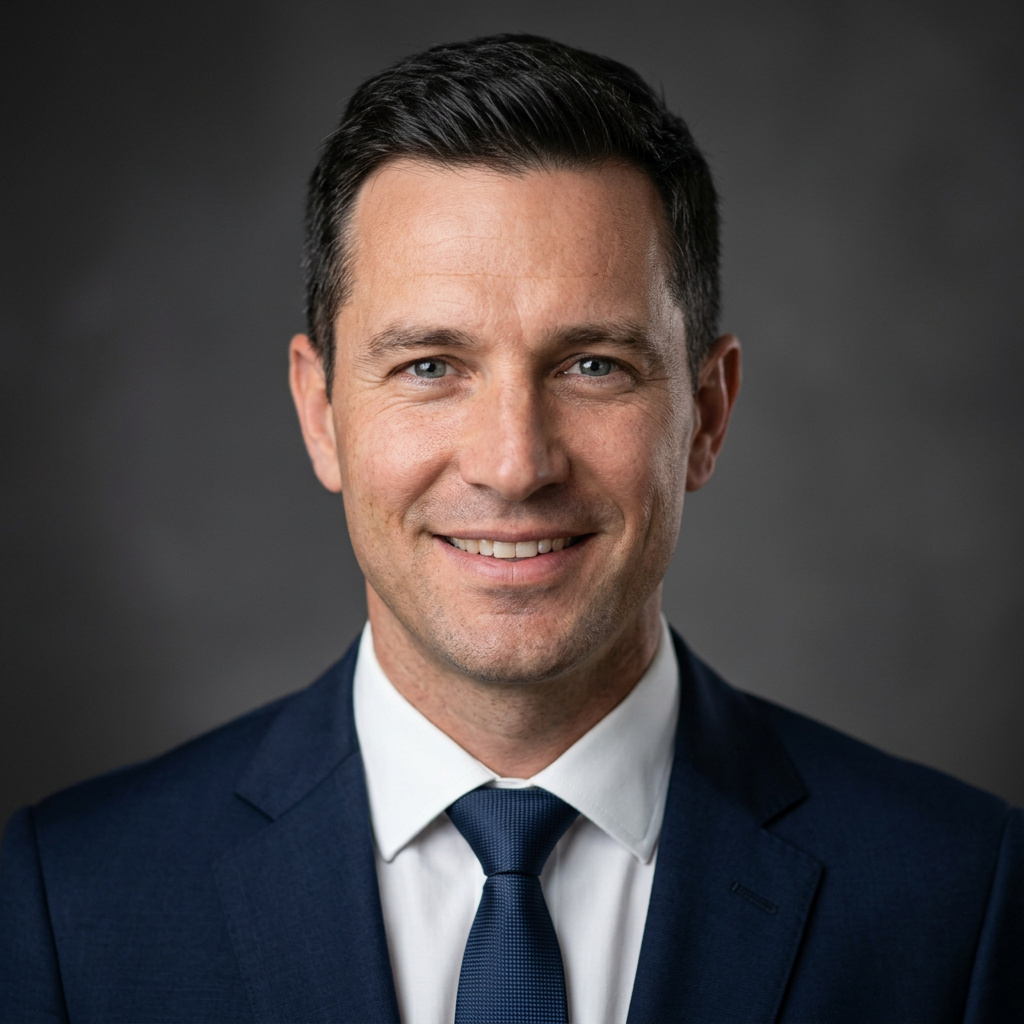
Ca t of Dead Poet Society: Actor , Career , and LGBTQ Theme
More than three decades after its release, Dead Poets Society still finds new audiences — and new conversations. The film’s ensemble cast, led by Robin Williams, launched the careers of several young actors who would go on to become household names.
Release year: 1989 ·
Director: Peter Weir ·
Box office: $235.9 million ·
Runtime: 128 minutes ·
IMDb rating: 8.1/10 ·
Rotten Tomatoes score: 84%
Quick snapshot
- Robin Williams plays John Keating (Mamamia (entertainment & culture site))
- Robert Sean Leonard plays Neil Perry (YouTube cast update)
- Ethan Hawke plays Todd Anderson (Golden Globes (Hollywood awards body))
- Josh Charles plays Knox Overstreet (YouTube cast update) (Mamamia (entertainment & culture site))
- Gale Hansen plays Charlie Dalton (YouTube cast update) (Mamamia (entertainment & culture site))
- Whether Neil and Todd’s bond is meant as romantic — no explicit confirmation from filmmakers
- Whether the queer subtext was intentional or accidental
- 1989 – Film released (Mamamia)
- 2014 – Robin Williams dies (Mamamia)
- 2020s – Continued debate about LGBTQ themes (Mamamia)
- New generations discovering the film on streaming platforms
- Ongoing academic and fan analysis of subtext
Eight key facts about the film, from its release to its critical reception.
| Fact | Value |
|---|---|
| Release date | June 9, 1989 |
| Director | Peter Weir (Mamamia) |
| Box office | $235.9 million |
| Runtime | 128 minutes |
| IMDb rating | 8.1/10 |
| Rotten Tomatoes score | 84% |
Who is the most famous actor in Dead Poets Society?
Main cast list and their characters
- Robin Williams as John Keating
- Robert Sean Leonard as Neil Perry
- Ethan Hawke as Todd Anderson
- Josh Charles as Knox Overstreet
- Gale Hansen as Charlie Dalton
The five principal roles anchor the story of Welton Academy students inspired by an unconventional English teacher. Williams, already a well-known comedian, brought dramatic depth to Keating, while the younger actors delivered breakout performances.
Robin Williams, already a household name from Mork & Mindy and stand‑up, elevated the film’s profile dramatically. His casting gave the project a built‑in audience and a centerpiece performance that earned an Oscar nomination.
Why Robin Williams is considered the most famous
- Williams was the biggest star attached to the project — by 1989 he had won a Grammy, starred in hit comedies, and hosted major award shows.
- His dramatic turn as Keating showed range that surprised critics and audiences alike.
Williams’ fame before Dead Poets Society was already stratospheric, making him the clear draw for audiences. The film became one of his most enduring dramatic roles, cementing his legacy as more than a comedian.
Bottom line: Robin Williams was the most famous actor in the film before it released, and his performance as John Keating remains the role most associated with Dead Poets Society.
Where are the cast of Dead Poets Society now?
What happened to Robin Williams?
- Williams won the Academy Award for Best Supporting Actor in 1997 for Good Will Hunting.
- He continued starring in films until his death by suicide in August 2014 (Mamamia).
His death deeply affected co‑stars and fans. Ethan Hawke later said the loss felt like “a punch in the gut.”
What did Ethan Hawke say about Robin Williams’ death?
“He was a beautiful, beautiful man. He was so generous. I just feel lucky to have known him.”
— Ethan Hawke, in interviews spanning 1997–2010 (Golden Globes)
Hawke, who was 18 during filming (Golden Globes), called the movie a seminal early‑career experience.
Where is Robert Sean Leonard now?
- Leonard later gained fame as Dr. James Wilson on the TV series House (2004–2012).
- He has worked steadily in television and theatre, including Broadway roles (YouTube cast update).
Josh Charles and Gale Hansen today
- Josh Charles earned acclaim for roles in The Good Wife and The Handmaid’s Tale (YouTube cast update).
- Gale Hansen acted into the 1990s (including Class of ’96) before moving behind the camera as a film executive (YouTube cast update).
The pattern: most of the young cast leveraged their Dead Poets Society debut into long acting careers, while Hansen chose a less visible path in the industry.
Why do people say Dead Poets Society is about LGBTQ?
Is there homosexuality in Dead Poets Society?
- No explicit homosexual content appears in the film.
- However, critics and viewers have long noted homoerotic subtext in the relationship between Neil Perry and Todd Anderson.
- The film’s themes of non‑conformity and suppressed desire invite queer readings.
According to Mamamia (entertainment & culture site), the film was “ahead of its time” in addressing teen suicide, but the queer subtext remains a topic of debate rather than a confirmed narrative intention.
Were Neil and Todd lovers?
- No romantic relationship is depicted or explicitly stated.
- Their intense friendship and emotional intimacy have led many fans to interpret the bond as romantic.
- Neither the screenplay nor the actors have confirmed a romantic reading.
The ambiguity is part of the film’s enduring appeal — it leaves room for viewers to project their own experiences onto the characters.
Leaving the interpretation open allows the film to resonate with diverse audiences, but it also frustrates those seeking a definitive narrative about queer identity.
The implication: the ongoing debate itself enriches the film’s legacy, drawing new analysis from each generation.
What was the point of Dead Poets Society?
What is the message of the film?
- Central theme: “Carpe diem” — seize the day.
- Encourages non‑conformity, self‑expression, and embracing one’s passions.
- Tragic consequence: Neil Perry’s suicide illustrates the danger of parental pressure and the loss of individual dreams.
The film’s screenplay, written by Tom Schulman and based on his own school years (Mamamia), weaves these ideas into a narrative that celebrates creativity while warning against the cost of suppressed identity.
What is inappropriate in Dead Poets Society?
- Mild language and brief depictions of teenage rebellion.
- The most controversial element is the depiction of suicide and its aftermath.
- The film is rated PG (Parental Guidance Suggested) in the US for thematic elements.
Some parents and educators have expressed concern about the suicide scene, which is handled sensitively but remains emotionally intense for younger viewers.
Bottom line: Robin Williams’ portrayal of John Keating challenges students to seize the day, but the tragic fate of Neil Perry shows the cost of suppressed identity. For educators: use the film as a conversation starter about mental health. For students: it’s an invitation to explore your own voice.
What were Neil Perry’s last words?
What is the significance of ‘I was good. I was really good.’?
In the film, Neil Perry delivers this line after his performance in A Midsummer Night’s Dream, just before his suicide. It captures his deep passion for acting and the crushing despair he feels when his father forces him to abandon that dream.
The moment is a poignant climax that underscores the movie’s central tension between self‑fulfillment and obedience. Neil’s last words have become one of the most quoted lines from the film, often cited in discussions about artistic identity and mental health.
Timeline: Key moments for Dead Poets Society
- – Dead Poets Society released (Mamamia)
- – Robin Williams stars in multiple films, wins Oscar for Good Will Hunting
- – Robin Williams dies by suicide (Mamamia)
- – Robert Sean Leonard stars in House as Dr. James Wilson (YouTube cast update)
- – Ethan Hawke establishes career as actor and author (Golden Globes)
- – Film continues to be discussed for its themes and LGBTQ interpretations
What we know and what remains unclear
Confirmed facts
- Full cast list from official credits (IMDb)
- Robin Williams played John Keating (Mamamia)
- Neil Perry’s last words are “I was good. I was really good.” (Wikipedia film article)
- Box office revenue and critical ratings (Box Office Mojo)
What’s unclear
- Whether Neil and Todd had romantic feelings (no explicit confirmation)
- Whether the filmmakers intentionally included queer subtext
Quotes that define the film
“Carpe diem. Seize the day, boys. Make your lives extraordinary.”
— John Keating (Robin Williams) (Mamamia)
“I was good. I was really good.”
— Neil Perry (Robert Sean Leonard) – final line before his suicide (film dialogue)
“He was so generous. I just feel lucky to have known him.”
— Ethan Hawke on Robin Williams (Golden Globes)
For fans revisiting Dead Poets Society, the cast’s trajectories remind us of the film’s lasting impact. For young actors today, Ethan Hawke’s path from shy Todd Anderson to acclaimed actor shows that a breakout role can open doors, but staying true to your voice is what endures beyond the final credits.
Frequently asked questions
Did Jim Carrey appear in Dead Poets Society?
No, Jim Carrey is not in the film. The main cast includes Robin Williams, Robert Sean Leonard, Ethan Hawke, Josh Charles, and Gale Hansen.
What is the age rating of Dead Poets Society?
The film is rated PG in the US for thematic elements, some mild language, and a suicide scene.
Who played Todd Anderson?
Ethan Hawke played Todd Anderson, the shy new student who finds his voice under Mr. Keating’s guidance (Golden Globes).
How many Oscars did Dead Poets Society win?
The film won one Academy Award (Best Original Screenplay for Tom Schulman) and was nominated for Best Picture, Best Actor (Robin Williams), and Best Director.
Is Dead Poets Society based on a true story?
The screenplay is loosely inspired by Tom Schulman’s own experiences at a private school, but the characters and events are fictional (Mamamia).
Where was Dead Poets Society filmed?
Principal photography took place at St. Andrew’s School in Middletown, Delaware, and other locations in Delaware and Maryland.
What does Carpe Diem mean in the film?
“Carpe diem” is Latin for “seize the day.” In the film, Mr. Keating uses it to encourage his students to embrace life and pursue their passions.
Related reading
More related posts
 Arjun Rampal: Biography, Age, Net Worth, and Controversies
 Roger Rogerson: Life, Corruption, Death, and Media Portrayal
 Blue-Footed Booby Facts: Habitat, Diet, and Conservation
 Payton Pritchard: Height, Salary, Wife, and Dunk Question
 Mark Bouris: Biography, Net Worth, Career & Personal Life
 Caramelised Onion Recipe – Foolproof Oil-Free Method
 Mamma Mia 2: Guide to the Sequel, Cast, and Mamma Mia 3 Status
 Cole Sprouse: Biography, Sobriety, Net Worth & More