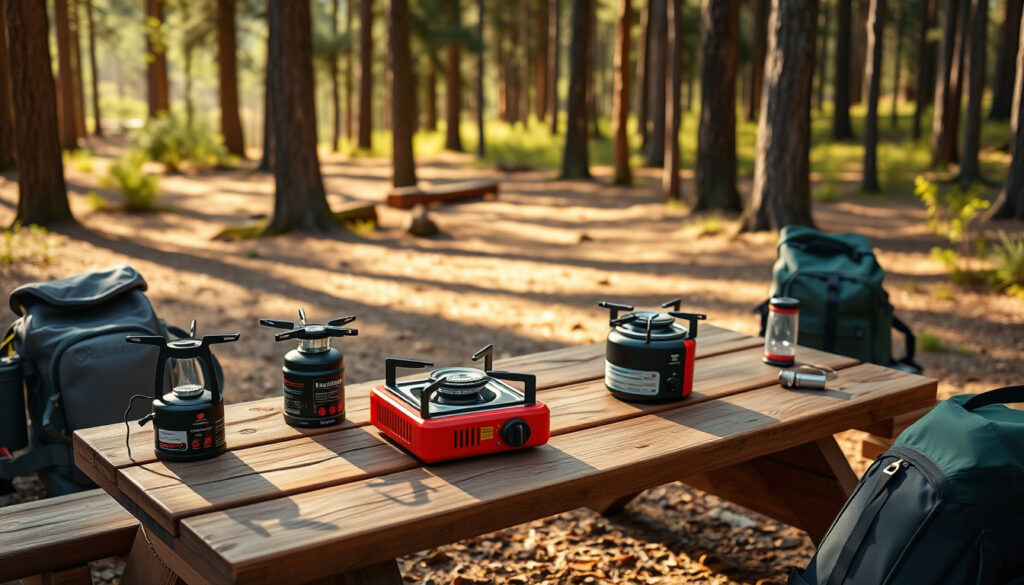
Portable Gas Stove – Best Picks Safety and Buying Guide
What Is the Best Portable Gas Stove?
Portable gas stoves have become essential equipment for outdoor enthusiasts, from weekend campers to ultralight backpackers. These compact cooking devices offer the convenience of preparing hot meals and beverages in locations far from traditional kitchen facilities. Understanding the differences between available models helps consumers make informed purchasing decisions based on their specific outdoor activities and cooking requirements.
The market offers diverse options ranging from basic single-burner designs to sophisticated integrated cooking systems. Each type presents distinct advantages regarding weight, fuel efficiency, cooking performance, and versatility across different weather conditions and elevation ranges.
Key Factors That Define Performance
Piezo ignition systems provide reliable spark generation without requiring matches or lighters, making them valuable for users who prioritize convenience and self-contained operation. Models featuring this technology eliminate the need for carrying additional ignition sources and perform consistently across various environmental conditions.
BTU ratings directly influence cooking speed, with higher output units reducing boil times significantly. A stove producing 10,000 BTU will outperform a 5,000 BTU model when heating water or preparing meals that require rapid temperature changes. However, higher BTU consumption typically results in faster fuel depletion.
Fuel canister compatibility determines both convenience and availability during trips. Propane and isobutane canisters offer widespread retail availability, while specialized fuels like white gas may require dedicated outdoor retailers. Users should consider refueling options along their planned routes before committing to a specific fuel type.
Wind resistance varies considerably between stove designs. Integrated systems with windscreens and heat exchangers maintain performance in breezy conditions, whereas open-frame burners experience significant efficiency losses when exposed to wind. Remote canister stoves provide better stability than canister stoves positioned on top of fuel canisters, making them preferable for uneven terrain and windy environments.
- Prioritize piezo ignition for hands-free, reliable starting
- Match BTU rating to your typical cooking needs and group size
- Verify fuel canister compatibility with local availability
- Test wind resistance performance before extended trips
- Consider integrated systems for combined efficiency gains
- Evaluate maintenance requirements for long-term reliability
- Assess packability against your carrying capacity limits
| Specification | Typical Range | Why It Matters |
|---|---|---|
| Weight | 0.5 – 5 lbs | Affects portability and fuel requirements |
| BTU Output | 5,000 – 20,000 | Determines cooking speed and efficiency |
| Fuel Type | Butane, Propane, Isobutane | Influences availability and performance |
| Burn Time | 1 – 3 hours per canister | Affects trip duration and fuel carrying |
| Ignition | Piezo, manual, electronic | Impacts convenience and reliability |
| Setup Time | 30 seconds – 5 minutes |
Are Portable Gas Stoves Safe?
Portable gas stoves present inherent risks that require user awareness and proper handling procedures. When used correctly according to manufacturer guidelines, these devices provide reliable performance with manageable hazard levels. Understanding potential dangers and implementing appropriate precautions significantly reduces the likelihood of accidents.
Essential Safety Precautions
Proper gas canister placement on a flat, stable surface before cooking prevents tip-over incidents that could cause fires or burns. Uneven ground requires stabilization using rocks, boards, or purpose-built stove stands to ensure the cooker remains secure throughout meal preparation. Never cook inside tents, as they are highly flammable and present extreme fire danger alongside carbon monoxide accumulation risks.
Windscreens play a critical role in both performance and safety. Use manufacturer-designed windscreens rather than improvised covers, as enclosing the stove can cause explosions. The engineered airflow patterns in official components maintain safe operating temperatures while providing wind protection.
Never leave gas cartridges in the stove when not in use, and wait for the stove to cool before removing cartridges. Store gas cartridges in dry places away from direct sunlight and heat sources to prevent pressure buildup and potential leaks.
Indoor and Enclosed Space Use
Using portable gas stoves indoors carries significant carbon monoxide poisoning risks due to inadequate ventilation. Unlike indoor-rated appliances with proper venting systems, portable stoves consume oxygen and produce combustion byproducts that accumulate in enclosed spaces. Even with windows open, dangerous CO levels can develop rapidly during cooking or heating activities.
The Fire Safety with Backpacking Stoves guidance emphasizes that backpacking stoves commonly use white gas, kerosene, propane, butane, or isobutane gas, with ultralight trekkers also favoring alcohol stoves. Unleaded gasoline and liquid alcohol fuels are not recommended for use due to their increased volatility and safety hazards.
Tent and Shelter Cooking
Cooking inside tents or enclosed shelters presents multiple hazards that make this practice inadvisable under any circumstances. The combination of flammable materials, limited air circulation, and proximity to fuel sources creates conditions where small incidents can escalate rapidly into life-threatening emergencies.
Cooking inside tents is highly flammable and dangerous. Always establish a dedicated cooking area at least 10 feet away from tent entrances and any flammable equipment. Never refuel while the stove is hot or operating.
How Do I Choose a Portable Gas Stove?
Selecting the appropriate portable gas stove requires matching your specific outdoor activities, group sizes, and performance priorities against available product characteristics. The decision framework should account for frequency of use, typical environments, and budget constraints alongside technical specifications.
Evaluating Fuel Options
Propane offers excellent cold-weather performance and consistent pressure across temperature ranges, making it suitable for year-round use and higher elevations. Butane performs optimally in moderate temperatures but experiences pressure drops in cold conditions, limiting its effectiveness for winter adventures. Isobutane blends attempt to balance performance characteristics while providing reasonable cost efficiency.
For alcohol stoves, avoid adding fuel while the stove is lit, and be aware that flames are difficult to see in daylight. This fuel type appeals to ultralight enthusiasts prioritizing minimal weight but requires additional caution during operation and refueling.
Matching Stove Type to Activity
Car camping scenarios accommodate heavier integrated systems with higher BTU outputs and larger cooking surfaces, as weight remains less critical when transporting equipment by vehicle. Weekend backpacking requires balancing cooking capability against carrying comfort, typically favoring compact systems weighing under one pound.
Multi-day expeditions into remote areas demand consideration of fuel efficiency and canister availability along the planned route. Clean your stove after each use to maintain consistent performance and extend operational lifespan, particularly when using fuels that leave residues.
Price ranges from $20 for basic models to $150 for premium integrated systems. Budget options provide adequate performance for occasional use, while dedicated outdoor enthusiasts may benefit from investing in higher-quality components offering improved durability and efficiency.
Price-to-Performance Assessment
Entry-level portable gas stoves under $50 typically feature basic construction, manual ignition, and moderate BTU output suitable for casual camping. Mid-range options between $50-$100 generally offer piezo ignition, improved wind resistance, and better fuel efficiency. Premium models exceeding $100 incorporate integrated systems with heat exchangers, precise temperature control, and expedition-grade durability.
How Do Portable Gas Stoves Work?
Understanding the fundamental mechanics of portable gas stoves helps users operate their equipment safely and troubleshoot issues that arise during field use. These devices convert stored fuel into controlled flames through pressure regulation and controlled combustion.
Pressurized Fuel Systems
Gas canisters maintain fuel in liquid form under pressure, releasing vaporized gas when the valve opens. The fuel travels through a regulator that maintains consistent flow regardless of canister pressure changes caused by temperature variations or depleting contents. This regulation ensures predictable flame characteristics throughout the canister’s useful life.
Remote canister stoves connect to fuel sources through pressurized lines, positioning the canister lower than the burner for improved stability. This configuration provides better stability than canister stoves positioned on top of fuel canisters, particularly on uneven surfaces encountered during backcountry use.
Evolution of Portable Stove Technology
- 1970s: Introduction of standardized propane canister technology enables broader consumer access to portable gas cooking
- 1990s: Pressurized butane stoves gain popularity for their compact size and convenient fuel availability
- 2010s: Integrated canister systems combine burner, windscreen, and cookware for improved efficiency
- 2020s: Lightweight ultralight models emphasize minimal weight without sacrificing essential functionality
Airline Transportation Restrictions
Transporting portable gas stoves and fuel canisters via aircraft faces significant regulatory restrictions due to fire safety concerns. Empty canisters may be permitted in checked luggage, while full or partially full canisters are generally prohibited on both checked and carry-on bags. Travelers should empty and purge canisters completely before flights and purchase fuel at their destination.
Regulations regarding fuel transport vary by airline and jurisdiction. Always verify current restrictions with your carrier before traveling with camping equipment.
Understanding Portable Gas Stove Performance and Limitations
| Established Information | Information Requiring Additional Verification |
|---|---|
| Safe for outdoor use with proper ventilation | Specific indoor use regulations by jurisdiction |
| Carbon monoxide hazards in enclosed spaces | Long-term health effects of sustained use |
| Fire risks near flammable materials | CPSC-specific guidelines for consumer models |
| Fuel-specific storage requirements | International usage standards and certifications |
The Role of Portable Gas Stoves in Outdoor Recreation
Portable gas stoves serve diverse functions across the outdoor recreation spectrum, from enabling hot meals during wilderness expeditions to providing essential cooking capability during emergency situations and power outages. Their portability and self-contained operation make them valuable additions to emergency preparedness kits alongside traditional camping applications.
Compared to electric alternatives, portable gas stoves operate independently of electrical infrastructure, making them essential for remote locations, disaster response scenarios, and off-grid living situations. The trade-off involves carrying fuel weight against the convenience of instant operation without external power requirements.
Market trends continue favoring lightweight construction and multi-fuel versatility, with manufacturers responding to consumer demand for equipment that performs across varied conditions while minimizing carrying burden. Fire Safety with Backpacking Stoves resources provide additional guidance for users exploring outdoor cooking options.
Reliable Sources for Portable Gas Stove Information
Fire safety with backpacking stoves requires understanding fuel types and their specific handling requirements. White gas, kerosene, propane, butane, and isobutane each present unique operational considerations that users must respect for safe operation.
— Scouting.org Safety Guidelines
Proper stove maintenance including regular cleaning and appropriate fuel storage directly impacts both safety and performance during outdoor cooking activities.
— Mountain Warehouse Expert Advice
Independent testing organizations like OutdoorGearLab and Consumer Reports provide comparative assessments of portable gas stove models, offering performance data and user experience insights that complement manufacturer specifications. The Consumer Product Safety Commission publishes safety guidelines applicable to consumer camping equipment.
Summary: Key Takeaways for Portable Gas Stove Users
Portable gas stoves represent versatile cooking solutions for outdoor enthusiasts, offering independence from electrical infrastructure and reliable performance across diverse conditions. Success with these devices depends on understanding fuel characteristics, maintaining equipment properly, and following established safety protocols. Using a Camping Stove: 8 Safety Tips provides practical guidance for new users developing safe outdoor cooking habits. Prioritizing proper ventilation, flame management, and fuel handling ensures enjoyable experiences while minimizing inherent risks associated with combustion-based cooking equipment.
Frequently Asked Questions
How do you clean a portable gas stove?
Allow the stove to cool completely, then wipe accessible surfaces with a damp cloth. Remove debris from burner openings using compressed air or a soft brush. Clean fuel connections periodically and inspect seals for wear. Deep cleaning should follow manufacturer guidelines specific to your model.
What is the difference between butane and propane?
Propane maintains consistent pressure across temperature ranges and performs well in cold conditions. Butane offers higher energy density but pressure drops significantly below 32°F, limiting cold-weather effectiveness. Many canisters contain blended fuels combining properties of both.
Can you use a portable gas stove in a tent?
No, cooking inside tents presents extreme fire hazards and carbon monoxide poisoning risks. Tents contain highly flammable materials and lack adequate ventilation for safe combustion. Always establish a dedicated cooking area outdoors, separate from sleeping areas.
Are portable gas stoves allowed on airplanes?
Full or partially full fuel canisters are prohibited on aircraft. Empty canisters may be transported in checked luggage depending on airline policy. Stove bodies without fuel are generally permitted. Purchase fuel at your destination to avoid complications.
What fuel types work in portable gas stoves?
Common fuel types include propane, butane, isobutane, and blends thereof. White gas and kerosene work in multi-fuel models. Unleaded gasoline and liquid alcohol are not recommended due to safety concerns. Always use fuel types specified by your stove manufacturer.
How long does a fuel canister last?
Typical burn time ranges from one to three hours per canister depending on BTU output, flame size, and fuel type. Higher heat settings consume fuel faster. Calculate requirements based on planned cooking duration and group size when planning extended trips.
What causes portable gas stoves to malfunction?
Common issues include clogged burner ports from debris or fuel residue, damaged seals causing leaks, regulator failures affecting fuel flow, and ignition system problems. Regular maintenance and proper storage prevent most operational failures.
More related posts
 Madrid Open 2025 – Dates, Schedule, Tickets Guide
 Clint Rice Net Worth: MAFS Golf Star’s Fortune Explored
 Danny McBride Biography: Career, Net Worth, and Personal Life
 Double Door Fridge Guide: Best Brands & Buying Tips Ireland
 Courteney Cox: Biography, Friends, Net Worth, Relationships
 Bangalow Palm Guide: Growth, Care, Roots, and Common Questions
 Lisa Blackpink: Biography, Boyfriend, Net Worth 2025
 10 Play Activation: How to Activate on Any Smart TV