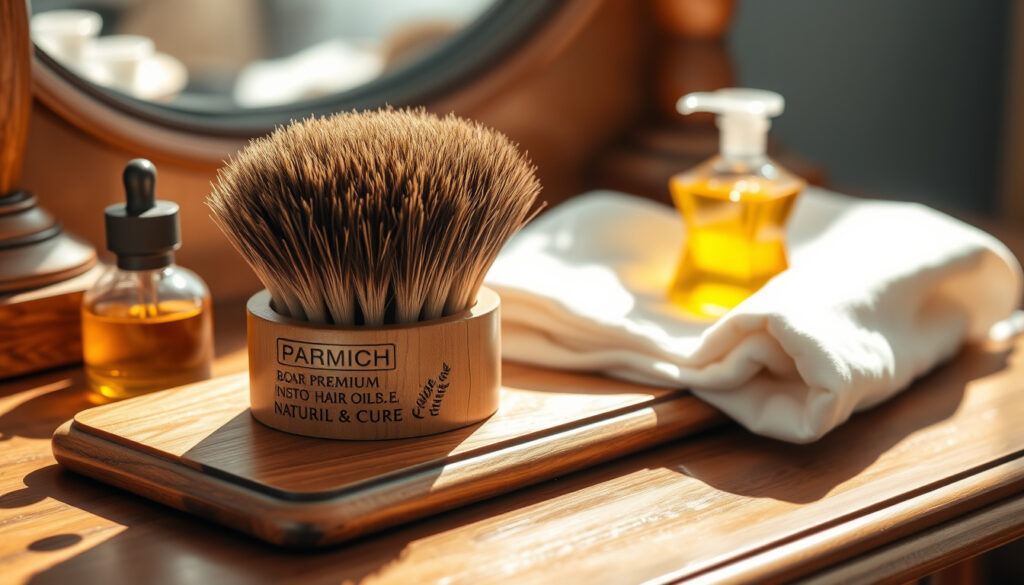
Boar Bristle Brush – Benefits, Usage and Care Guide
A boar bristle brush relies on natural bristles harvested from boar hair to offer distinct advantages over synthetic alternatives. The bristles, composed of keratin similar to human hair, work by absorbing and redistributing oils from the scalp throughout the hair shaft. This mechanism produces natural conditioning without chemical products, making the brushes popular among those seeking gentler hair care approaches. Understanding how these brushes function helps consumers determine whether they suit their specific hair and styling needs.
The brushes excel at smoothing the hair cuticle and reducing friction during brushing. Unlike nylon or plastic bristles that can create static and cause breakage, boar bristles glide more smoothly through hair. This quality makes them particularly valuable for people with fine, fragile, or easily damaged hair who want to minimize mechanical stress during daily brushing routines.
Regular use of a boar bristle brush requires commitment to proper maintenance. The natural bristles can accumulate oils, dirt, and product residue over time, necessitating periodic cleaning to remain effective. Those willing to invest the effort in maintenance gain access to a tool that supports hair health through entirely natural means.
What Is a Boar Bristle Brush and How Does It Work?
Boar bristle brushes feature bristles derived from the hair of domestic pigs. These natural fibers possess hollow shafts that can absorb oils from the scalp and release them as the brush moves through hair. The process mimics the natural distribution of sebum that occurs when hair is left unbrushed, but accelerates and enhances the effect through consistent mechanical action.
Natural boar hair
Smoothing, oil distribution
Fine to medium-thick
Adds natural shine
The brushes work through a dual-action mechanism. First, the hollow bristles absorb excess oil accumulating at the roots. Second, as brushing continues, this oil transfers down the hair shaft, coating each strand with natural conditioning. This process smooths the cuticle layer, reflects light more evenly, and reduces the appearance of frizz without applying serums or conditioners.
- Distributes natural scalp oils along the entire hair strand
- Reduces frizz through cuticle-smoothing action
- Gentle on the scalp during daily use
- Removes buildup including excess oils and environmental debris
- Minimizes mechanical damage compared to synthetic bristles
- Adds shine through even oil coating
| Attribute | Details |
|---|---|
| Bristle Origin | Boar hair |
| Ideal Hair Length | Medium to long |
| Best Used On | Dry or slightly damp hair |
| Recommended Frequency | Daily or every other day |
| Cleaning Interval | Weekly or as needed |
| Primary Function | Oil distribution and smoothing |
Key Benefits of Using a Boar Bristle Brush
The primary benefit of boar bristle brushes lies in their ability to condition hair using only natural oils already produced by the scalp. This approach eliminates the need for additional styling products while maintaining hair hydration throughout the day. Users report that consistent brushing transforms dry, dull hair into shinier, more manageable strands without introducing chemicals or silicones.
Promoting Healthier Hair Growth
The gentle scalp massage that occurs during brushing stimulates blood circulation to the hair follicles. According to sources like Morocco Method and Zeus Beard, this increased blood flow may help unclog follicles and deliver more nutrients to developing hair. While no clinical studies directly verify hair growth claims, the biological mechanism of improved circulation supports the logic behind these reported benefits.
Natural Oil Distribution
Sebaceous glands produce oils that travel slowly down the hair shaft naturally. Boar bristles accelerate this process significantly. The hollow bristles absorb oil from the scalp and deposit it along the entire length of each strand. This action addresses common concerns like greasy roots combined with dry ends, a condition that occurs when natural oils fail to reach the hair tips.
Reducing Breakage and Damage
The soft, flexible nature of boar bristles causes less friction than nylon or plastic alternatives. As noted by Pattern Beauty, this gentleness helps close the hair cuticle, particularly beneficial for individuals with curly or textured hair types. Reduced friction means fewer split ends, less breakage during styling, and improved overall hair integrity over time.
Boar bristle brushes work through natural mechanisms that accumulate benefits over time. Users should expect gradual improvements in hair texture and shine rather than immediate transformations. The brushes complement other hair care practices rather than replacing them entirely.
How to Use a Boar Bristle Brush for Best Results
Proper technique significantly affects the benefits achieved with a boar bristle brush. The brushing motion should start at the scalp and work toward the ends, allowing bristles to collect oil from the roots and deposit it along the hair shaft. This directional approach maximizes oil distribution efficiency and ensures even conditioning from roots to tips.
Daily Brushing Technique
Begin brushing at the scalp with gentle circular motions to stimulate blood flow. After several circles at the roots, extend strokes from scalp to ends without lifting the brush away. Each section of hair typically requires more strokes than one might use with a synthetic brush—often twenty to thirty strokes per section for optimal oil transfer. No-Poo community members report that this increased brushing effort yields noticeably better results.
Working with Different Hair Types
Fine hair responds well to daily brushing with moderate pressure. The gentle conditioning prevents the dryness that often plagues fine-haired individuals while adding body without weighing strands down. For thick hair, mixed-bristle brushes combining boar and nylon provide better penetration through dense hair while still offering conditioning benefits. Davines notes that pure boar brushes may struggle to reach the scalp through very thick hair.
Volume and Styling Applications
Brushing while inverted adds volume at the roots for those seeking lift. Regular brushing over time can also train hair to lie straighter, reducing reliance on heat styling tools. The brushes work effectively with nourishing products, allowing users to combine natural conditioning from oils with the mechanical benefits of brushing.
For curly or coily hair types, use the brush gently between wash days to remove buildup and reduce frizz without disrupting curl patterns. Avoid using on wet hair, as moisture makes hair more susceptible to mechanical damage.
Boar Bristle Brush vs. Nylon or Synthetic Brushes
The choice between boar bristle and synthetic brushes depends heavily on hair type, styling goals, and maintenance willingness. Each brush type offers distinct advantages that serve different purposes within a comprehensive hair care routine.
| Aspect | Boar Bristle | Nylon/Synthetic |
|---|---|---|
| Cleaning Method | Absorbs and redistributes oils naturally | Better for detangling wet hair and heavy buildup removal |
| Conditioning Effect | Superior for oil spread and shine enhancement | May cause static or frizz without present oils |
| Gentleness | Softer on cuticles; less friction damage | Harsher; can cause cuticle damage if used aggressively |
| Ideal Use Case | Daily maintenance, dry hair smoothing | Detangling wet or thick hair; product removal |
| Maintenance Needs | Regular washing to remove accumulated oils | Easier to clean; less frequent maintenance needed |
Complementary Use
Many hair care enthusiasts maintain both brush types for different purposes. A boar bristle brush handles daily oil distribution and smoothing, while a nylon brush tackles post-shower detangling and styling tasks requiring more firmness. This combination approach leverages the strengths of each bristle type while minimizing their respective limitations.
Both brush types serve valid purposes in a comprehensive hair care routine. Rather than viewing the choice as either/or, consider which brush serves which function best for your specific hair needs.
How to Clean and Maintain Your Boar Bristle Brush
Regular cleaning maintains the effectiveness of boar bristle brushes and prevents bacterial buildup. The same oils that condition hair accumulate in the bristles over time, eventually saturating them to the point where they can no longer absorb and distribute additional oil. Washing restores the bristles’ absorption capacity and extends the brush’s useful lifespan.
Cleaning Process
Remove loose hair from the brush before cleaning by pulling strands from the bristles. Mix a small amount of mild shampoo with lukewarm water. Dip only the bristle section briefly—never soak the wooden base or handle as prolonged moisture exposure can damage adhesive bonds and warp wooden components. Swirl gently, then rinse with clear water using the same brief-dip approach.
After rinsing, shake out excess water and reshape bristles with your fingers. Place the brush bristle-side down on a clean towel to air dry completely before the next use. Davines recommends cleaning when bristles appear visibly dirty or feel slick with accumulated product.
Long-Term Care
Beyond weekly washing, occasional deep cleaning helps maintain performance. Some users remove bristles periodically to clean the base and adhesive area, though this level of maintenance suits only brushes with replaceable bristle pads. Store brushes bristle-side down or flat to maintain bristle shape, and avoid exposing them to extreme temperatures that could affect the adhesive.
A well-maintained boar bristle brush typically lasts several years with regular cleaning. Neglected brushes lose their conditioning effectiveness and may harbor bacteria that transfers to clean hair during brushing.
What Is the Best Boar Bristle Brush?
Selecting the optimal boar bristle brush depends on hair length, thickness, and specific goals. Pure boar bristle brushes offer the most conditioning benefit but may lack the stiffness needed for thick or long hair. Mixed-bristle options combining boar with nylon or wild boar with synthetic fillers provide a compromise that maintains some conditioning while offering better detangling capability.
Evaluating Brush Quality
Higher quality brushes typically feature natural wood bases that resist moisture damage and provide a smooth brushing surface. Bristle density matters—sparse bristles absorb less oil and distribute it less effectively. Quality indicators include visible bristle quality, secure attachment to the base, and comfortable handling weight. Professional hair care retailers like Spornette offer various options across quality and price tiers.
Matching Brush to Hair Type
Fine hair benefits most from pure boar bristle brushes with moderate density. The gentle conditioning adds shine without overwhelming delicate strands. Medium to thick hair performs better with mixed-bristle brushes that can penetrate through more volume. Very thick, coarse hair may need additional boar bristle brushes with larger surface areas or stiffer configurations to reach the scalp effectively.
Understanding Results and Limitations
Honest assessment of boar bristle brush benefits requires acknowledging both established effects and areas lacking scientific verification. Understanding what these brushes can and cannot accomplish helps set realistic expectations.
| Established Benefits | Claims Requiring More Evidence |
|---|---|
| Distributes natural oils along hair shaft | Significant hair growth stimulation |
| Adds shine through cuticle smoothing | Prevention of genetic hair loss |
| Reduces friction damage during brushing | Reversal of existing hair damage |
| Removes excess oil and buildup | Medical treatment of scalp conditions |
| Gentle on fine and fragile hair | Results consistent across all hair types |
The benefits attributed to boar bristle brushes derive primarily from logical explanations of bristle properties and user testimonials rather than controlled clinical studies. The keratin composition similar to human hair appears non-irritating, and the oil absorption mechanism functions according to basic physical principles. However, dramatic claims about hair growth or transformation should be approached with reasonable skepticism.
Ethical and Practical Considerations
Boar bristle brushes represent an animal-derived product that may conflict with cruelty-free or vegan lifestyle choices. Unlike synthetic alternatives produced without animal involvement, boar bristles are harvested from domestic pigs, which raises ethical questions for some consumers. Brands rarely specify sourcing practices or certification status regarding animal welfare.
Consumers committed to cruelty-free hair care should research specific brands or consider synthetic alternatives designed to mimic boar bristle properties. Some companies offer vegan brushes using plant-based or synthetic fibers engineered for oil absorption and gentle brushing. The American Academy of Dermatology confirms that brushing technique matters more than bristle material for most hair care outcomes.
Product labeling for boar bristle brushes rarely addresses animal welfare or ethical sourcing concerns. Those prioritizing these values may need to contact manufacturers directly or seek certified cruelty-free alternatives.
Hair Care Context and Best Practices
Boar bristle brushes fit within broader hair care routines that include washing, conditioning, and protective practices. The brushes work most effectively when integrated with other healthy habits rather than as standalone solutions. According to Morocco Method, pairing regular brushing with nourishing products amplifies results.
Environmental factors affect brush performance and longevity. High humidity environments may require more frequent cleaning as product buildup accelerates. Hard water can leave mineral deposits on bristles that interfere with oil absorption. Protective practices like sleeping on silk pillowcases reduce overnight friction and complement the smoothing benefits achieved through daily brushing.
“Boar bristle brushes have been used for generations as a natural approach to hair conditioning. While modern alternatives exist, the fundamental mechanism—distributing scalp oils along the hair shaft—remains unmatched by most synthetic options.”
Next Steps for Readers
For those considering a boar bristle brush, beginning with a quality mixed-bristle option provides a reasonable introduction. This approach delivers conditioning benefits while offering enough stiffness for effective detangling. Start with brief daily brushing sessions and increase duration as your hair adapts. Monitor results over four to six weeks to assess whether the brush meets your expectations.
Complementary products like Dyson Air Straight review can help reduce heat styling needs, while styles like a Low Taper Fade work well with properly maintained hair. Remember that boar bristle brushes represent one component of comprehensive hair care rather than a complete solution on their own.
Frequently Asked Questions
What is the best boar bristle brush?
The best brush depends on your hair type. Pure boar bristles suit fine to medium hair seeking conditioning, while mixed-bristle brushes work better for thick hair requiring more detangling power. Quality construction with natural wood bases and dense, well-attached bristles indicates better durability and performance.
Can boar bristle brushes cause hair loss?
When used properly with gentle pressure, boar bristle brushes typically reduce hair damage that leads to breakage. Aggressive brushing or using a brush on severely tangled hair could cause mechanical damage. No evidence suggests boar bristles directly cause hair loss in healthy individuals.
Are boar bristle brushes cruelty-free?
Boar bristle brushes are not considered cruelty-free as they involve animal-derived materials. Pigs are harvested for bristles as part of livestock processing, and no standard certification programs address the specific welfare concerns of brush bristle sourcing.
How often should I use a boar bristle brush?
Most users benefit from daily or every-other-day brushing with a boar bristle brush. More frequent use increases oil distribution benefits but also requires more attention to cleaning. Begin with shorter sessions and adjust based on how your hair responds.
Can I use a boar bristle brush on wet hair?
Boar bristle brushes work best on dry or slightly damp hair. Wet hair is more susceptible to mechanical damage, and the brushing action may disrupt curl patterns in textured hair types. For wet detangling, synthetic brushes designed specifically for wet use provide safer alternatives.
Do boar bristle brushes actually work for adding shine?
Boar bristle brushes distribute natural scalp oils along the hair shaft, which smooths the cuticle and creates more uniform light reflection. Users consistently report increased shine after regular use, though results vary based on hair condition and frequency of brushing.
How long do boar bristle brushes last?
With proper maintenance including regular cleaning and careful drying, quality boar bristle brushes typically last several years. Brushes showing flattened bristles, loose attachment, or persistent odors despite cleaning should be replaced.
More related posts
 Harper Beckham: Age, Birthday, School & the Beckham Family Rift
 Missy Higgins: Marriage, Music, and Motherhood – Full Biography
 Chace Crawford Dating History: Wife, Relationships, and More
 Pouch of Douglas: Anatomy, Fluid Causes & Fertility Impact
 What Does Skin Cancer Look Like – Early Signs and ABCDE Guide
 Southeast Asia: 11 Countries, Comparisons & Quality of Life
 Ringo Starr: His Life, Relationships, and Last Words
 Pyramids of Giza: Facts, History, Location, Secrets