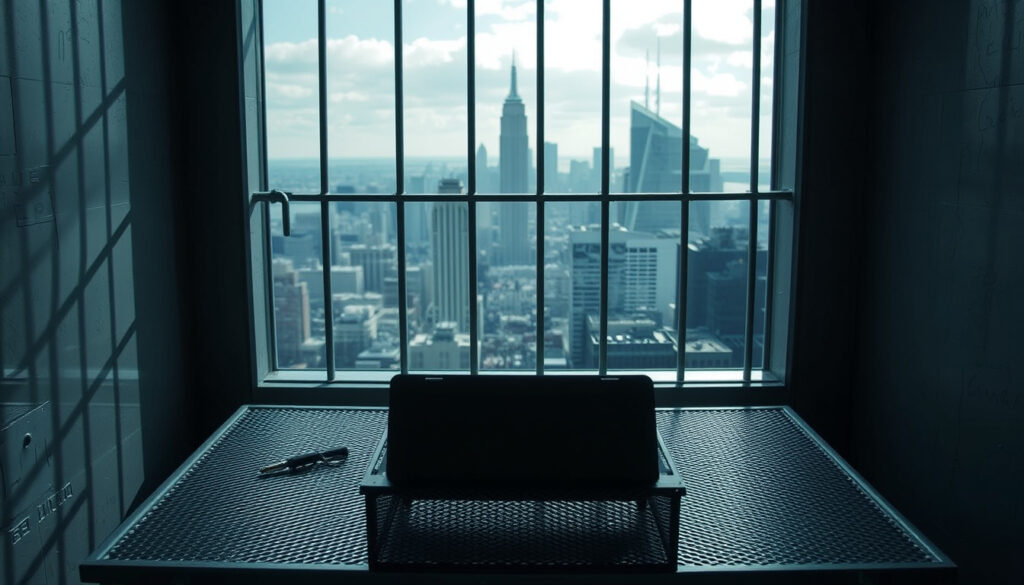
Julian Assange: Latest News, Plea Deal, and Where He Is Now
For more than a decade, the name Julian Assange was synonymous with a legal saga that tested the boundaries of press freedom and national security. In June 2024, after spending 1,901 days in a UK prison, he pleaded guilty to a single charge and returned to Australia as a free man.
Born: July 3, 1971 · Founded: WikiLeaks in 2006 · Released: June 24, 2024 · Plea: Guilty to conspiracy
Quick snapshot
- Assange founded WikiLeaks in 2006 (PEN International (human rights organization)).
- He published classified US military and diplomatic documents (U.S. Department of Justice (federal agency)).
- He pleaded guilty to conspiracy in June 2024 (BBC News (UK news organization)).
- He was released and flew back to Australia (Al Jazeera (international news network)).
- Full terms of his supervised release (NPR (public radio news)).
- Long-term health effects from his detention (PEN International (human rights organization)).
- Future of WikiLeaks under his leadership (University of Western Australia (academic institution)).
- The long-term impact on press freedom and journalism practices. (NPR (public radio news))
- June 24, 2024: released from Belmarsh after 1,901 days (PEN International).
- Plea entered in Saipan, Northern Mariana Islands (DOJ).
- Returned to Australia on June 26, 2024 (BBC News).
Five key facts, one pattern: most people know Assange’s name but few recall the exact timeline and charges. Here’s a quick reference.
| Label | Value |
|---|---|
| Full Name | Julian Paul Assange |
| Born | July 3, 1971, Townsville, Australia |
| Known For | Founder of WikiLeaks |
| Key Event | Released June 24, 2024 |
| Spouse | Stella Moris (married 2022) |
What has happened with Julian Assange?
When was Julian Assange released?
- Assange was released from Belmarsh prison on June 24, 2024, after 1,901 days in UK custody (PEN International (human rights organization)).
- He pleaded guilty that same day in a US federal court in Saipan and was sentenced to 62 months, already served (U.S. Department of Justice (federal agency)).
- He flew to Australia and arrived on June 26, 2024 (BBC News (UK news organization)).
What charges did he plead guilty to?
- One felony count of conspiring to obtain and disclose national defense information under the Espionage Act (U.S. DOJ).
- The plea dealt specifically with his role in obtaining and publishing classified US documents through WikiLeaks (NPR (public radio news)).
The plea deal avoided a full extradition battle and further US prison time, but it also marked the first time a publisher was convicted under the Espionage Act for receiving and publishing classified information — a precedent that press freedom groups say chills investigative journalism.
Bottom line: Assange walked free after a time-served sentence in June 2024. The US government secured a conviction without a trial, and Assange avoided years of extradition litigation. For press advocates, the trade-off is a dangerous legal first.
What was Julian Assange convicted of?
What is the Espionage Act charge?
- He was charged under 18 U.S.C. § 793, which criminalizes the unauthorized possession and communication of national defense information (U.S. DOJ).
- The charge stemmed from his work with WikiLeaks to obtain and publish classified military logs and diplomatic cables (BBC News).
Why did he plead guilty?
- The plea deal ended a 14-year legal battle and extradition proceedings between the UK and US (BBC News).
- By pleading guilty to a single count, Assange avoided a trial that could have resulted in a much longer sentence (NPR).
- The US agreed to credit the 62 months he already served in UK prison (U.S. DOJ).
Bottom line: The conviction is the first Espionage Act prosecution of a publisher who received and disseminated classified material. It sets a new legal boundary: receiving secrets can land a journalist in federal court, not just the leakers.
What did Assange reveal?
What were the WikiLeaks publications?
- In 2010, WikiLeaks published the “Collateral Murder” video showing a US helicopter attack in Baghdad that killed civilians (PEN International).
- In July 2010, it released the Afghan War Diary — more than 75,000 classified military logs (University of Western Australia).
- In October 2010, it published the Iraq War Logs (nearly 400,000 documents) (PEN International).
- In November 2010, “Cablegate” released more than 250,000 US diplomatic cables (BBC News).
How did the revelations impact diplomacy?
- The cables revealed candid US assessments of foreign leaders and sensitive diplomatic negotiations (UWA).
- US officials said the leaks damaged intelligence sources and strained alliances (U.S. DOJ).
The same leaks that made Assange a hero to transparency advocates also provided the evidentiary basis for the conspiracy charge that ended his freedom. The material he was prosecuted for disclosing was the very material that made WikiLeaks a household name.
The pattern: the material that brought him notoriety also gave the government the legal grounds to prosecute him. The two sides of the same coin—transparency and national security—collided in this case.
How did Julian Assange get caught?
What led to his arrest?
- In 2010, Sweden issued a warrant over alleged sexual assault (UWA (academic)).
- Assange was arrested in the UK in December 2010, then bailed (BBC News).
- In June 2012, after losing his appeals, he entered the Ecuadorian embassy in London and was granted asylum (PEN International).
Why was he in the Ecuadorian embassy?
- He lived in the embassy for seven years, unable to leave for fear of extradition to Sweden and later the US (PEN International).
- Ecuador revoked his asylum in April 2019, and UK police arrested him immediately (BBC News).
- The US unsealed an indictment in May 2019 (U.S. DOJ).
Bottom line: Assange’s capture was a slow-motion process spanning a decade. He was trapped by his own asylum, and when Ecuador’s protection ended, the UK handed him over to US prosecutors through the extradition machinery.
Is Julian Assange free?
Where does he live now?
- He returned to Australia and lives with his family (Al Jazeera).
- He is no longer in government custody (NPR).
What restrictions does he face?
- Under the plea agreement, Assange cannot return to the US without prior permission (U.S. DOJ).
- He is subject to supervised release conditions for an unspecified period (NPR).
Bottom line: He is physically free — walking the streets of Australia — but legally bound by a US felony conviction that limits his movement and will follow him for life. For a man who once challenged the world’s most powerful government, that is a constrained freedom.
Timeline
- 2006: WikiLeaks founded (PEN International).
- April 2010: Collateral Murder video released (BBC News).
- July 2010: Afghan war logs published (UWA).
- November 2010: Cablegate release; Swedish warrant issued (BBC News).
- December 2010: Arrested in UK; later bailed (PEN International).
- June 2012: Entered Ecuadorian embassy in London (PEN International).
- April 2019: Ecuador revoked asylum; arrested by UK police (BBC News).
- May 2019: US unsealed indictment (U.S. DOJ).
- January 2021: UK judge blocked extradition (later overturned) (UWA).
- June 2024: Pleaded guilty; returned to Australia (BBC News).
Confirmed facts vs. what remains unclear
Confirmed facts
- Assange founded WikiLeaks (PEN International).
- He published classified US documents (U.S. DOJ).
- He pleaded guilty to conspiracy in June 2024 (BBC News).
- He was released and returned to Australia (Al Jazeera).
What remains unclear
- Full terms of his supervised release (NPR).
- Long-term health effects of his detention (PEN International).
- Future role in WikiLeaks (UWA).
Key quotes
“Julian Assange is free.” — WikiLeaks announcement after his release
Al Jazeera (international news network)
“Today’s guilty plea and sentence demonstrates the Department of Justice’s commitment to holding all individuals accountable for violating our nation’s laws.” — U.S. Department of Justice statement
U.S. DOJ (federal agency)
For Assange, life in Australia begins under the shadow of a plea deal that bars him from the US without permission. For press freedom advocates, the case sets a complicated precedent: a publisher convicted under the Espionage Act for receiving and publishing classified information. The trade-off between security and transparency remains as unsettled as ever. For Australian readers, the implication is clear: a citizen who challenged the world’s most powerful government is now home, but the legal boundaries he tested have only grown tighter.
Related reading: Andrew Bolt: Controversies, Career, and Key Facts
Related reading: **Andrew Bolt: Controversies, Career, and Key Facts** · **Nelson Mandela: Biography, Imprisonment, Quotes, and Legacy**
bbc.com, facebook.com, cnn.com, cambridge.org, nytimes.com, nbcnews.com
For a detailed timeline of the legal proceedings, see the full coverage of Julian Assanges plea deal.
Frequently asked questions
What is Julian Assange’s net worth?
Assange’s exact net worth is not publicly confirmed. Estimates from earlier years and legal filings suggest it is modest, as WikiLeaks operates on donations and Assange has faced massive legal bills.
How old is Julian Assange?
Born July 3, 1971, he is 53 years old as of 2024 (PEN International).
Where did Julian Assange live after his release?
He returned to Australia and is believed to be staying with family in Melbourne (Al Jazeera).
What are the charges under the Espionage Act?
He was charged with conspiring to obtain and disclose national defense information, a felony under 18 U.S.C. § 793 (U.S. DOJ).
How did the Swedish investigation end?
The Swedish investigation into sexual assault allegations was dropped in 2019 because of the difficulty of proceeding while Assange was in UK custody (BBC News).
What did Julian Assange’s supporters say about his release?
Supporters, including press freedom groups like PEN International, welcomed the end of his detention but warned that the Espionage Act conviction sets a dangerous precedent for journalists (PEN International).
Is Julian Assange allowed to return to the United States?
Under his plea agreement, he cannot enter the US without prior permission from the government (U.S. DOJ).
More related posts
 Attack on Titan Revolution Codes – Active Spins and Keys April 2026
 Honkai Star Rail Codes May 2026: 8 Active HSR List
 L-Shaped Desk Ireland: Best Picks with Storage for Home Office
 Danny McBride Biography: Career, Net Worth, and Personal Life
 Virtual Assistant Jobs in Ireland: No Experience Guide
 Chemist Warehouse Price Match: Policy, Exclusions, and Tips
 US Dollar Index (DXY): Live Chart, Price & Forecast
 Bailee Madison 2025: Career, Age, Movies, and Net Worth